
F1 Considers ‘ADUO for Teams’ Proposal to Help Smaller Teams Close the Gap
Formula 1 is set to discuss a proposed change to its cost-cap regulations that could give lower-ranked teams greater financial flexibility in their efforts to close the performance gap to the front of the grid.
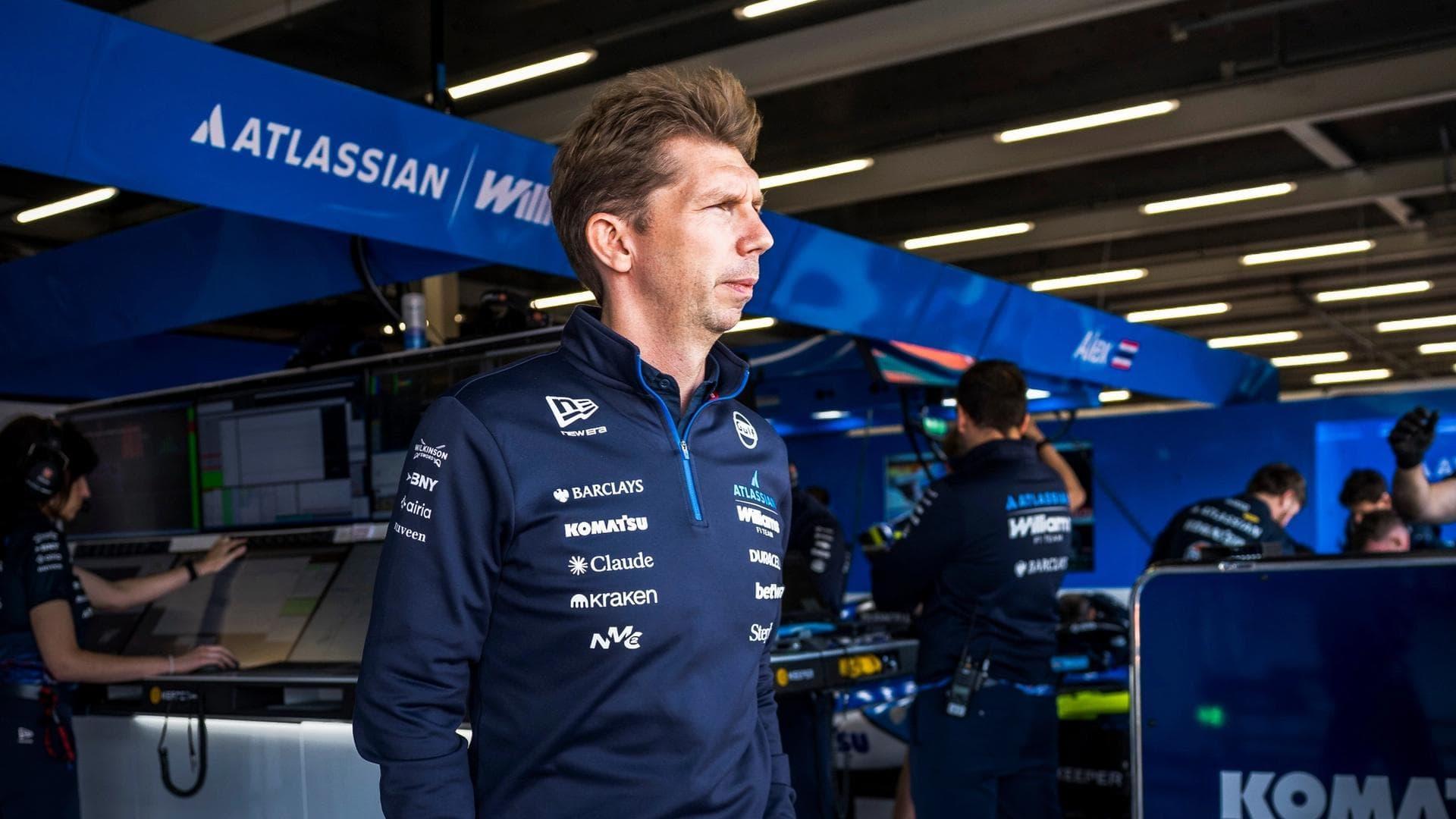
The proposal, put forward by Williams team principal James Vowles, would introduce a sliding-scale spending allowance based on a team's position in the Constructors' Championship. Under the proposed system, teams finishing further down the standings would receive greater spending flexibility than those at the front.
The concept has been informally described as “ADUO for teams”, drawing inspiration from Formula 1's existing Additional Development and Upgrade Opportunities (ADUO) system for power-unit manufacturers.
Vowles Wants to Address the ‘Cost Cap Trap’
Since its introduction in 2021, Formula 1's cost cap has played an important role in controlling team expenditure and improving the sport's financial sustainability.
However, Vowles believes the current system has also made it difficult for teams with fewer resources to catch up with their better-established rivals.
Teams that previously invested heavily in infrastructure, facilities and personnel have been able to retain some of those advantages, while smaller operations face restrictions on how quickly they can improve their organisations.
Vowles has described this situation as a “cost cap trap”, arguing that the regulations should provide struggling teams with a more realistic opportunity to narrow the competitive gap.
His proposal would allow teams outside the top four in the Constructors' Championship to receive additional spending allowances, with greater support potentially allocated to those finishing lower in the standings.
Inspired by F1's Existing ADUO System
The proposed mechanism takes inspiration from the Additional Development and Upgrade Opportunities system already used for power-unit manufacturers.
Under the existing ADUO framework, manufacturers whose power units fall behind the leading benchmark can receive additional development opportunities and financial allowances to help improve performance.
Vowles wants to explore a similar principle for teams, applying additional financial flexibility to organisations that are struggling to compete at the front.
The intention is not to remove the cost cap, but to make the system more adaptable and prevent existing competitive advantages from becoming increasingly difficult to overcome.
Support Remains Divided Among Teams
Despite interest in the proposal, securing sufficient support from the grid remains a significant challenge.
Cadillac, Alpine, Aston Martin and Audi are understood to support the principle behind the proposal. However, other teams have expressed reservations about introducing additional spending allowances based on championship position.
Haas and Racing Bulls are among those reported to have concerns about the concept.
For the proposal to be introduced for the 2027 season, it would require support from the FIA, Formula One Management and at least six of the 11 teams.
A lower support threshold could keep the proposal in consideration for a potential introduction in 2028, although the exact details and implementation process remain under discussion.
What Happens Next?
The proposal is expected to form part of discussions at the Formula 1 Commission meeting on 16 November.
However, an immediate change to the regulations is not guaranteed. Vowles has acknowledged that the current proposal still requires further development, with the priority being to establish a system that is fair and beneficial to the championship as a whole.
If approved, the mechanism could provide smaller teams with a new route to improving their competitiveness without abandoning the financial controls introduced by the cost cap.
For now, the proposal remains under discussion, with the outcome likely to influence how Formula 1 approaches competitive balance in the years ahead.